 profilenew22029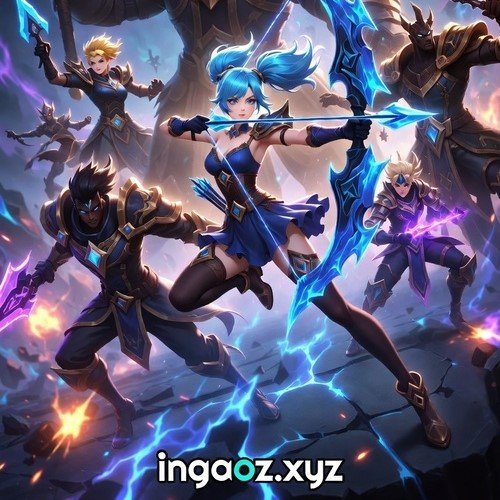
ingaoz.xyz – Mobile Legends: Bang Bang is a game where every match eventually reaches a point that determines the final result: the team fight. Regardless of how well a player performs during the laning phase, one successful or unsuccessful engagement in the mid or late game can completely change the direction of the match. Teams that understand how to fight together often defeat opponents with higher individual mechanics because coordination, positioning, and decision-making outweigh personal statistics in most competitive situations.
Many players mistakenly assume that team fights begin the moment someone uses an ultimate ability or charges toward the enemy. In reality, a successful engagement starts much earlier. It begins with clearing minion waves, controlling important areas of the map, checking enemy positions, and ensuring teammates are close enough to provide support. Preparation determines whether a fight starts on favorable terms or becomes a desperate attempt to recover from poor positioning. Players who consistently think ahead create opportunities before the first skill is even cast.
Another common misconception is that every hero should focus on dealing as much damage as possible. While damage is important, every role contributes differently during a battle. Tanks create space, fighters pressure the frontline, assassins eliminate priority targets, mages provide burst damage and crowd control, marksmen deliver sustained attacks, and roamers maintain vision while protecting vulnerable teammates. Understanding these responsibilities transforms random skirmishes into organized battles where every player supports the team’s overall strategy.
Winning team fights also requires emotional discipline. Players who panic after losing an ally often rush into unfavorable situations instead of regrouping. Likewise, teams that become overconfident after securing several eliminations sometimes chase unnecessary kills instead of securing objectives. Maintaining composure throughout every engagement allows players to evaluate risks carefully and make decisions based on the current situation rather than emotion. This calm approach consistently produces better results across every rank, from beginner matches to high-level competitive games.
Preparing the Battlefield Before Every Team Fight
One of the biggest differences between experienced players and newer competitors is how they approach the moments leading up to a fight. Skilled teams rarely walk blindly into contested areas because they understand that information creates enormous strategic advantages. Before challenging Turtle, Lord, or important jungle entrances, players should establish vision by safely checking bushes, observing the minimap, and tracking enemy movements. Knowing where opponents are positioned allows the team to decide whether to initiate, retreat, or reposition without unnecessary risks.
Vision control extends beyond simply revealing enemies. It influences confidence, positioning, and overall tempo. A team with superior information can prepare defensive formations, anticipate flanking routes, and identify isolated targets before combat begins. Meanwhile, opponents lacking information often hesitate because they cannot accurately predict where threats may appear. This uncertainty frequently results in delayed reactions, poor positioning, or fragmented engagements that benefit the prepared team.
Maintaining control of important areas also requires patience. Players should avoid revealing themselves unnecessarily when waiting for objectives to appear. Holding advantageous positions near river entrances or jungle paths forces opponents to approach cautiously, giving defenders additional time to react. Even heroes without strong crowd control contribute by occupying space that discourages reckless enemy movement. Every safe position established before a fight increases the likelihood of a favorable engagement.
Experienced teams also recognize when information is incomplete. If several enemy heroes disappear simultaneously, charging toward objectives becomes significantly more dangerous. Instead of assuming opponents are elsewhere, disciplined players regroup, gather additional information, and proceed only after reducing uncertainty. This careful mindset prevents countless unnecessary eliminations throughout a season.
Managing Cooldowns and Resources
Successful team fights depend heavily on resource management long before combat begins. Heroes entering battle with low health, limited mana, or unavailable ultimate abilities immediately reduce their team’s overall effectiveness. Preparing for engagements therefore includes recalling at appropriate moments, purchasing completed items, and ensuring critical abilities are ready before contesting important objectives.
Ultimate abilities often define the outcome of major engagements. Teams that force fights while multiple ultimates remain unavailable frequently struggle against opponents possessing stronger initiation tools. Rather than fighting impulsively, experienced players track both friendly and enemy cooldowns, recognizing opportunities when important enemy abilities have recently been used. This awareness creates windows where aggressive plays become significantly safer.
Item progression also influences preparation. Completing a major equipment upgrade before contesting Lord or Turtle provides noticeable combat advantages. Sometimes delaying an objective for a few seconds allows teammates to finish shopping, dramatically improving their overall combat effectiveness. Likewise, players should avoid initiating fights immediately after purchasing components if stronger completed items are only moments away.
Energy management extends to positioning as well. Constantly moving across the map without purpose wastes valuable time that could otherwise be spent farming or preparing waves. Efficient movement ensures players arrive at objectives with maximum resources while minimizing unnecessary exposure to enemy ambushes. Every small preparation contributes toward stronger overall performance once combat finally begins.
Understanding When to Engage or Disengage
Not every opportunity to attack should become a full team fight. One of the most valuable strategic skills in Mobile Legends is recognizing whether current conditions actually favor engagement. Numbers advantage, superior positioning, completed items, available cooldowns, and nearby objectives all influence whether fighting represents the correct decision.
Sometimes patience produces greater rewards than aggression. If an important enemy damage dealer is temporarily isolated but no objectives remain available, forcing a risky chase may expose the team to unnecessary counterattacks. Conversely, eliminating that same hero moments before Lord appears creates a major strategic opportunity because the opposing team must defend without one of its strongest members.
Disengaging is equally important. Retreating from unfavorable situations demonstrates discipline rather than weakness. Players who survive difficult moments preserve experience, gold, and defensive capabilities for future engagements. Over time, consistently avoiding poor fights produces significantly more victories than attempting to win every confrontation regardless of circumstances.
Communication supports these decisions. Quick signals requesting retreat or regrouping help teammates recognize changing priorities before unnecessary commitments occur. Coordinated withdrawals often frustrate opponents who expected easy eliminations while allowing the team to reset for stronger opportunities later.
Executing Team Fights With Precision
Proper positioning forms the foundation of every successful team fight. Regardless of individual mechanics, heroes standing in incorrect locations often become ineffective before contributing meaningful impact. Tanks and durable fighters generally occupy frontline positions, absorbing pressure while creating safe opportunities for allies positioned behind them. Their purpose is not simply surviving but shaping enemy movement and protecting vulnerable teammates.
Marksmen rely on careful spacing throughout prolonged engagements. Standing too close to enemy initiators exposes them to crowd control, while remaining excessively distant limits their damage contribution. Effective marksmen continuously reposition after every attack, maintaining safe distances while maximizing sustained damage against priority targets. This movement requires constant awareness of enemy assassins and initiation abilities.
Mages frequently control the center of engagements through area damage and crowd control. Their positioning should allow easy access to multiple targets without exposing themselves to direct enemy dives. Using terrain intelligently, maintaining escape routes, and preserving defensive abilities all increase survivability during chaotic battles.
Assassins approach fights differently. Instead of attacking immediately, they often wait until frontline abilities have already been exchanged. Entering slightly later allows assassins to identify vulnerable targets while avoiding early crowd control. Timing and patience frequently matter more than raw aggression, particularly against coordinated opponents.
Focusing the Right Targets
Damage distribution greatly influences battle outcomes. Teams attacking different opponents simultaneously often fail to secure eliminations, allowing enemy heroes to escape with minimal health before recovering safely. Coordinated target selection concentrates damage efficiently, reducing enemy numbers and creating momentum for the remainder of the engagement.
Priority targets vary depending on team compositions. High-damage marksmen or mages frequently become primary objectives because eliminating them dramatically reduces enemy offensive potential. However, directly reaching these heroes is not always realistic. Sometimes defeating an exposed fighter or isolated support first provides a safer path toward more valuable targets later in the engagement.
Players should also avoid tunnel vision. Chasing low-health opponents across long distances frequently separates teammates and exposes damage dealers to dangerous counterattacks. Maintaining formation while securing achievable eliminations generally produces stronger overall results than pursuing unlikely kills.
Crowd control coordination further enhances target focus. Layering abilities rather than overlapping them unnecessarily extends control duration, maximizing opportunities for teammates to deliver damage. Efficient ability sequencing frequently determines whether enemies escape or become decisive eliminations.
Turning Victories Into Lasting Advantages
Winning a team fight represents only part of the overall objective. The greatest teams immediately convert successful engagements into meaningful map control instead of celebrating temporary eliminations. Destroying towers, securing Lord, claiming Turtle, invading jungle camps, or pushing multiple lanes all create permanent advantages that extend beyond the battle itself.
Objective prioritization depends on the current stage of the game. During the early game, towers and Turtle usually provide the highest value because they strengthen economic progression and map control. In later stages, Lord often becomes the preferred reward due to its ability to pressure defensive structures and create opportunities for decisive pushes.
Wave management remains important after victories. Before pursuing objectives, players should ensure nearby lanes continue advancing toward enemy territory. Strong minion pressure forces defenders into difficult choices, increasing the effectiveness of every successful team fight. Ignoring lane conditions may reduce the impact of otherwise impressive victories.
Finally, disciplined teams know when enough has been accomplished. Greedy attempts to secure additional kills beneath enemy towers frequently reverse favorable situations. Recognizing the correct moment to retreat, spend accumulated gold, and prepare for the next objective preserves momentum while minimizing unnecessary risks.
Conclusion Mobile Legends Teamfight Guide: How to Win Every Battle Through Positioning, Timing, and Coordination
Mastering team fights in Mobile Legends requires far more than mechanical skill or quick reactions. Preparation, positioning, communication, target selection, and objective conversion all contribute to victories that consistently influence the outcome of ranked matches. Players who understand these interconnected elements begin approaching every engagement with greater confidence and purpose rather than relying solely on instinct.
Every successful battle starts before abilities are activated. Controlling vision, managing resources, and evaluating favorable conditions establish the foundation for organized teamwork. Once combat begins, disciplined positioning and coordinated focus maximize each hero’s strengths while minimizing unnecessary exposure to danger. After the battle ends, immediately securing objectives transforms temporary success into lasting strategic advantages.
As players continue refining these habits, team fights become less chaotic and far more predictable. Instead of reacting to every situation emotionally, experienced competitors recognize patterns, anticipate enemy decisions, and execute strategies that steadily increase their chances of victory. Developing these skills not only improves ranked performance but also creates a deeper appreciation for the strategic depth that makes Mobile Legends one of the most engaging multiplayer games available today.
